

The $28,000 Admin Tax You’re Paying Every Year (And the 2026 AI Stack That Erases It)
Here’s the number that should terrify your CFO: The average seller in 2026 spends only 40% of their time actually selling. For Gen Z reps, it drops to 35%. The rest? Data entry, CRM hygiene, research, and follow-up scheduling. If your rep carries a $175,000 OTE, you’re effectively paying them $28,000 a year to be a data clerk. citeweb_search:2#1
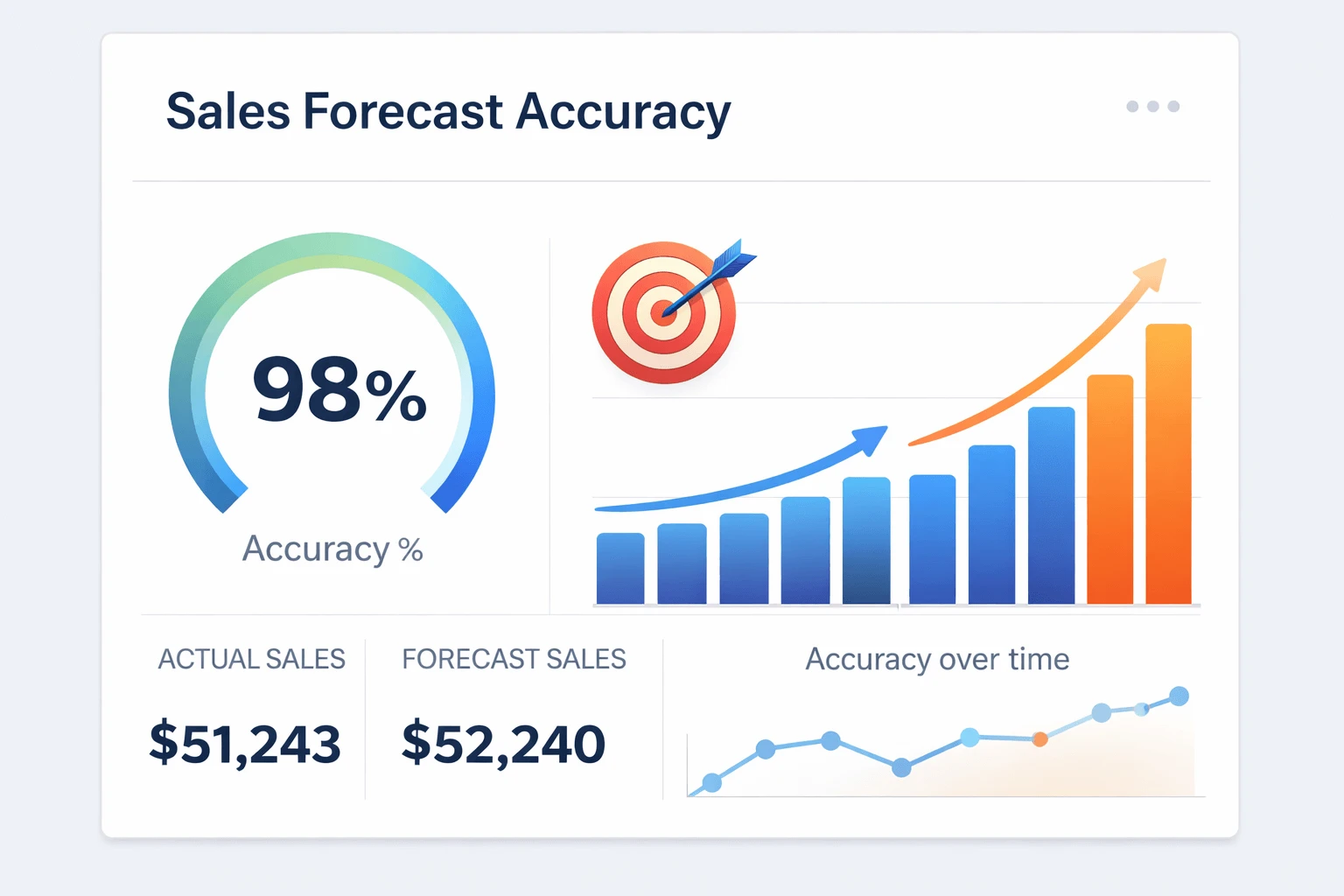
AI sales tools didn’t just get better in 2026. They crossed a threshold. The tools on this list aren’t “nice-to-haves” that shave a few minutes off your day. They are revenue infrastructure. Teams using the right stack report 83% revenue growth versus 66% for manual teams, with forecasting accuracy jumping from a coin-flip 51% to a reliable 79%. citeweb_search:2#1
But here’s the trap: Most teams buy AI tools in the wrong sequence. They deploy an AI SDR before fixing their CRM data, then wonder why meeting-to-opportunity conversion is 15% instead of 25%. citeweb_search:2#1 This isn’t a list of every tool with an “AI” sticker. This is the specific 2026 stack for generating leads and closing deals, sequenced by what actually moves revenue.
Tier 1: The Foundation — Intent, Data, and Prospecting
If you don’t fix this layer first, everything else is theater. Tier 1 tools answer the question: “Who should I talk to, and why now?” They replace static list-building with live signal detection. Get this wrong, and your AI SDR will spam the wrong people with perfect grammar.
1. AiSDR — The Outbound Engine for Teams That Hate Tool Sprawl
I used to run a six-tool stack for outbound: one for data, one for intent, one for sequencing, one for LinkedIn, and a spreadsheet to tie them together. AiSDR is what happens when someone builds the thing I actually needed. It handles the full outbound cycle—Live AI search for prospecting, real-time intent detection, AI-driven campaigns, and multichannel sending—under a single $900/month subscription. citeweb_search:1#3
The difference isn’t just consolidation. It’s signal quality. AiSDR doesn’t dump 10,000 contacts into your CRM. It uses live data from LinkedIn and HubSpot to build lists on demand, tracking hiring news, funding events, and product launches. When Medisafe launched their campaign, they booked 29 meetings in 30 days, including AstraZeneca and Pfizer. Until booked 11 meetings the day after launch. citeweb_search:1#3 That’s not volume. That’s timing.
Best for: B2B teams that want AI-powered outreach built on social and intent signals, and are tired of paying for five tools to do one job.
Starting price: $900/month (1,200 emails, annual discounts available).
2. Apollo.io — The Best Free Entry Point (But Watch the Credits)
Apollo is the gateway drug for AI sales tools. It bundles 275M+ contacts, enrichment, and multichannel outreach into a single workspace. The free tier is genuinely usable, which is rare. But the real cost creep comes from credit overages and add-ons. citeweb_search:1#3 citeweb_search:1#1
Here’s the specific failure mode: Teams start on the $49 Basic plan, then realize they need the dialer (Professional, $79), then international calling (Organization, $119, 3-seat minimum). Phone reveals cost 8x more than email reveals. Unused credits expire monthly. Real costs often run 2–3x the advertised rate. citeweb_search:1#1
That said, if you’re a US-focused SMB under 20 reps, Apollo is still the best value for testing the waters. Just budget for the real price, not the brochure price.
Best for: Startups and SMBs that want one consolidated platform for prospecting and outreach, and can tolerate data accuracy variance. citeweb_search:1#1
Starting price: Free (paid from $49/user/month).
3. Clay — The Data Layer for RevOps Purists
Clay isn’t a sales tool. It’s a programmable enrichment workbench. If your idea of fun is building waterfall logic across 100+ data providers with cost-aware fallback, Clay is your happy place. It sits between raw data and your CRM, letting you configure exactly how a lead gets enriched without writing code. citeweb_search:1#3
The “Claygent” AI agent researches prospects from public web data, filling custom fields like recent news and competitor mentions. The visual workflow builder looks like a spreadsheet on steroids. But Clay doesn’t send emails. It doesn’t make calls. It makes your other tools smarter.
Best for: RevOps teams who want flexibility across multiple data vendors and already have a sending tool they love.
Starting price: Free (paid from $134/month).
4. 6sense — When Your Buying Cycle Starts Before the Buyer Raises a Hand
Most lead-gen tools score contacts. 6sense scores entire accounts before any single buyer fills out a form. It maps each account to a specific buying stage—Target, Awareness, Consideration, Decision—using third-party intent data across thousands of B2B sites. citeweb_search:1#3
This flips the funnel. Instead of chasing leads, you’re intercepting research. If your sales cycle is 6+ months and involves buying committees, 6sense is the difference between showing up at the decision table and showing up after the decision is made.
Best for: ABM-led GTM teams in mid-market to enterprise who need predictive intent at the account level.
Starting price: Free tier available (custom enterprise pricing).
Tier 2: The Conversation Layer — Intelligence That Happens in Real Time
Once you know who to talk to, you need to know what happens during the conversation. This is where deals are won or lost—not in the CRM, but in the 47 minutes a rep spends on a call and forgets to log properly.
5. Gong — The Revenue Intelligence Standard (And Its Price Tag)
Gong invented this category. It records, transcribes, and analyzes every call, then tells you which talk tracks stall, which objections predict churn, and which rep behaviors correlate with closes. The coaching features are exceptional—managers build playlists from real call moments, not hypotheticals. citeweb_search:2#0 citeweb_search:2#2
But Gong is expensive. Expect $1,200+ per user per year at enterprise scale, with opaque pricing. It’s overkill for teams under 10 reps. And it’s a standalone layer—Gong doesn’t provide B2B data or intent signals, so you’re still buying ZoomInfo or Apollo for that. citeweb_search:1#4
Best for: Mid-market to enterprise teams with high call volume, active coaching programs, and the budget to support a dedicated conversation intelligence platform.
Starting price: Custom (~$1,200/user/year estimated).
6. SalesEcho — The Real-Time Copilot for Live Calls
While Gong analyzes what happened, SalesEcho tells you what to say next. It listens to live calls and surfaces objections, missed talking points, and coaching recommendations in real time. It’s the difference between a post-game film session and a headset coach whispering in your ear during the play. citeweb_search:2#5
The automatic call summaries and CRM-ready notes eliminate the admin work that kills rep productivity. But be warned: some reps find the real-time suggestions overwhelming at first. There’s a trust curve.
Best for: Teams that want immediate deal impact during calls, not just post-call analysis.
Starting price: Usage-based (depends on call volume).
7. Read AI — The Meeting Intelligence Layer for Every Call
Read AI captures interactions across meetings, emails, and messages, then makes deal context searchable. It automates CRM updates, generates follow-ups, and identifies disengaged stakeholders before they ghost. citeweb_search:2#3
The specific value for smaller teams: It captures what happens in meetings and pushes it to Salesforce or HubSpot automatically. CRM-native AI like Einstein only sees what’s manually logged. Read AI sees reality.
Best for: SMBs and mid-market teams that need meeting intelligence without enterprise pricing.
Tier 3: The Execution Layer — Engagement, Sequencing, and Closing
This is where intent and intelligence turn into booked meetings and signed contracts. The tools here handle the actual outreach, follow-up, and deal management.
8. Outreach — The Enterprise Sequencing Benchmark
Outreach is the most widely adopted sales engagement platform in enterprise for a reason. Its sequence and cadence management is deep, with A/B testing and behavior-based logic. The Kaia AI meeting assistant provides live call guidance, and Outreach Commit handles pipeline forecasting. citeweb_search:2#0
The catch: Complexity. Outreach requires a dedicated admin. Onboarding is a multi-week project. Pricing starts around $100/user/month and scales quickly. If you don’t have an ops team, you’ll drown in the configuration. citeweb_search:2#0
Best for: High-volume inside sales and SDR teams in mid-market and enterprise with dedicated RevOps support.
Starting price: ~$100/user/month (annual contract).
9. Salesloft — Engagement + Coaching in One Contract
Salesloft competes directly with Outreach but emphasizes coaching and conversation intelligence alongside engagement. The Conversations module is natively integrated with cadences, so managers see how specific sequence touches lead to booked meetings. citeweb_search:2#0
The UI is cleaner than Outreach. The analytics depth is slightly behind. For teams that want one platform for engagement and coaching, Salesloft edges out on usability. Pricing is comparable—expect $80–$120/user/month. citeweb_search:2#0
Best for: Teams that want engagement automation and conversation coaching tightly integrated, prioritizing rep adoption speed.
10. Reply.io — The AI SDR That Books Meetings While You Sleep
Reply.io runs multichannel sequences across email, LinkedIn, calls, WhatsApp, and SMS. But the real feature is Jason AI—an autonomous agent that handles inbound replies, answers basic prospect questions, and books meetings without rep intervention. citeweb_search:1#3
At $89/month, it’s the most accessible AI SDR on the market. The trade-off: It’s focused on SMB and mid-market. Enterprise teams will outgrow the workflow depth quickly.
Best for: Teams running multichannel sequences who need an AI SDR to handle reply volume without hiring another human.
Starting price: $89/month per user.
11. Instantly — Cold Email at Scale Without Per-Seat Pricing
Instantly lets you connect unlimited email accounts and send at volume while staying under sending limits. The AI Copilot optimizes subject lines and timing. The real win is the flat-fee model—no per-seat pricing, which matters when you’re running outreach for multiple clients or regions. citeweb_search:1#1
But the advertised $37/month entry price is misleading. Most teams need the Credits add-on for the 450M+ contact database and the CRM add-on for pipeline management. Real spend lands at $150–$400/month. A/B testing is locked behind the $97 Hypergrowth plan. citeweb_search:1#1
Best for: Agencies and teams scaling cold email who need flat-fee infrastructure without per-seat costs.
Starting price: $47/month (realistic cost: $150–$400/month with add-ons).
The 2026 Stack Matrix: What to Buy Based on Who You Are
Tools don’t exist in a vacuum. The right stack depends on your team size, existing CRM, and biggest revenue leak. Here’s the decision framework:
| Your Situation | Your Stack | Estimated Monthly Cost |
|---|---|---|
| Solo founder / 1-2 reps Need leads now, budget is thin |
Apollo (Free) + Reply.io ($89) | $89 |
| SMB (3-10 reps) On HubSpot, need full cycle |
HubSpot AI CRM ($90) + Apollo ($49/seat) + Read AI | $300–$600 |
| Mid-market (11-50 reps) Outbound-heavy, no dedicated ops |
AiSDR ($900) + Gong ($1,200/seat/yr) + Salesforce | $1,500–$3,000 |
| Mid-market (11-50 reps) Have RevOps, want flexibility |
Clay ($134) + Outreach ($100/seat) + Salesloft Conversations | $1,200–$2,500 |
| Enterprise (50+ reps) ABM motion, long sales cycles |
6sense (Custom) + ZoomInfo (Custom) + Gong + Outreach | $5,000+ |
| Agency / Multi-client Need flat-fee predictability |
Instantly ($150) + HeyReach ($79/sender) + Clay | $400–$800 |
The Honest Trade-Offs No One Puts in the Brochure
Every tool on this list has a hidden cost that isn’t in the pricing table. Here are the ones that will bite you:
- Apollo’s data accuracy is the most consistent complaint. It’s broad but shallow. If you’re selling to niche verticals or outside the US, expect 20-30% bounce rates unless you verify separately. citeweb_search:1#1
- Gong is expensive shelfware if your managers don’t coach. The AI identifies patterns, but if no one builds playlists or reviews calls, you’re paying $1,200/year for a recording device. citeweb_search:2#0
- AI SDRs without clean data fail. UserGems documented 50–70% annual churn on AI SDR tools when deployed over broken CRMs. Fix your ICP definition and data hygiene before automating outreach. citeweb_search:2#1
- HubSpot’s AI features are gated. Breeze AI agents and predictive scoring require Professional ($450/mo) or Enterprise tiers. The Starter plan is limited. citeweb_search:1#4
- ZoomInfo’s consumption-credit model requires planning. If your team doesn’t align credits with usage patterns, you’ll burn through your allocation in Q1 and fight finance for more. citeweb_search:2#2
The Sequencing Rule: Build Tier 1 Before Tier 3
Based on 2026 ROI research, here’s the sequence that actually works:
- Intent-based scoring and prioritization. MarketBetter’s meta-analysis shows a 20–30% conversion lift when predictive AI spans marketing and sales. Signal-driven teams report ~5.4x pipeline with less outbound volume. citeweb_search:2#1
- Automated prospecting and qualification. Cuts 30–60 minutes of research per prospect. 55% of reps already use AI for prospecting. citeweb_search:2#1
- AI-assisted forecasting. The 79% vs 51% accuracy gap changes how CROs plan headcount and finance allocates budget. citeweb_search:2#1
- Conversation intelligence and coaching. 36% of teams with agents use them for coaching, but ROI hinges on manager follow-through. citeweb_search:2#1
- AI SDR deployment. Only after steps 1-4 are stable. Deploying an AI SDR over broken data is like installing a Ferrari engine in a car with flat tires.
What Happens When You Get This Right
Smartsheet increased MQLs 84% after layering intent signals into their scoring model. Outreach (the company) lifted connect rates 7x after switching to ZoomInfo’s verified direct dials. Safety Services drove 200% more MQLs by combining intent data with verified contacts. citeweb_search:2#2
These aren’t case studies from 2023. These are 2026 outcomes from teams that sequenced their stack correctly. The common thread: They fixed data and intent before scaling automation. They invested in conversation intelligence before expecting reps to self-coach. They treated AI as infrastructure, not a magic button.
The Real Reason You Won’t Do This
It’s not budget. It’s not technical complexity. It’s the organizational habit of treating sales tools as individual purchases instead of a system. Buying Gong without a coaching culture. Buying Apollo without a data hygiene process. Buying an AI SDR without a clean ICP.
The teams winning in 2026 aren’t the ones with the biggest tool budget. They’re the ones with a RevOps owner who treats the stack as a revenue architecture. If you don’t have that person, hire them. If you can’t hire them, become them. The 40% of time your reps are losing to admin isn’t coming back unless you build the system to reclaim it.
Everything I just said will be outdated by Q3 2027. Agentic AI is moving fast—Salesforce’s Agentforce and ZoomInfo’s GTM Workspace are already deploying autonomous agents that qualify leads and update CRM records without human intervention. citeweb_search:2#2 The stack will evolve. The sequencing principle won’t.
Ready to stop paying the admin tax? If you’re looking to scale these efficiencies without building the entire stack yourself, our outbound sales and marketing infrastructure provides the technical expertise and AI-powered execution needed to turn these capabilities into predictable revenue. We handle the stack so your reps can focus on conversations.
Quick Reference: Tool Pricing & Fit (2026)
| Tool | Category | Best For | Starting Price |
|---|---|---|---|
| AiSDR | Outbound Automation | B2B teams, full-cycle AI | $900/mo |
| Apollo.io | Data + Outreach | Startups, US-focused SMBs | Free / $49/seat |
| Clay | Enrichment | RevOps, multi-source data | Free / $134/mo |
| 6sense | ABM Intent | Enterprise, long cycles | Free / Custom |
| Gong | Conversation Intelligence | Mid-market+, coaching focus | ~$1,200/seat/yr |
| SalesEcho | Live Call AI | Real-time call guidance | Usage-based |
| Outreach | Sales Engagement | Enterprise SDR teams | ~$100/seat/mo |
| Salesloft | Engagement + Coaching | Integrated workflow | ~$80-120/seat/mo |
| Reply.io | AI SDR | SMB, reply automation | $89/seat/mo |
| Instantly | Cold Email Scale | Agencies, flat-fee needs | $47/mo (real: $150+) |
| HubSpot AI | CRM + AI | HubSpot ecosystem | Free / $90/seat |
| ZoomInfo | Data + Intent | Enterprise data depth | Custom |
Last updated: June 2026. Pricing and features change frequently. Verify current terms directly with vendors before purchasing.
External Resources & Further Reading
Deep dives, vendor documentation, and independent research referenced in this guide.
Vendor Documentation
Industry Research & Reports
- Salesforce State of Sales Report
- Deloitte Digital Tech Trends
- McKinsey Sales & Marketing Insights
- Sopro — B2B Prospecting Research
Related Guides
Note: All external links open in a new tab. Pricing and features change frequently — verify current terms directly with vendors before purchasing. We have no affiliate relationships with the tools listed.